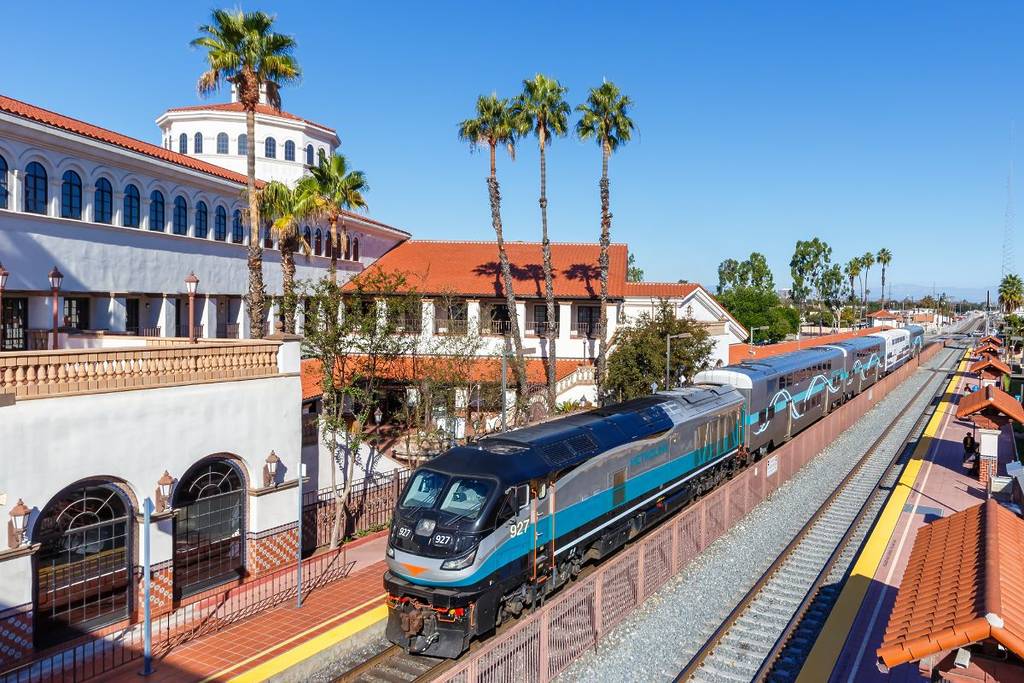

A familiar way to get around Southern California is about to get more expensive. After 13 years without raising fares, Metrolink is set to increase the price of several tickets starting next month, meaning commuters and weekend travelers will soon pay more for some of the region’s most popular train options.
The new prices take effect on Monday, October 5, 2026, and the biggest change will affect one-way tickets and the SoCal Day Pass.
How much are Metrolink fares increasing?

The price of a one-way Metrolink ticket will increase by approximately 14%, with the exact amount depending on the distance of your trip.
The popular SoCal Day Pass is also going up:
- 🎟️ Weekday Day Pass: $15 → $19
- 🎟️ Weekend/holiday Day Pass: $10 → $12
That means the weekday pass will cost $4 more, or about 27% above its current price. Some Monthly Passes and 5-Day Flex Passes will also see small adjustments because their prices are calculated from one-way fares. Metrolink says some of those changes may be around 1%.
There is some good news for riders who qualify for Metrolink’s existing discounts. The 50% Student/Youth Discount is staying in place, as are Metrolink’s other Everyday Discounts. The Mobility-4-All program, which gives California EBT cardholders 50% off all fares purchased at ticket machines, is also staying unchanged.
The $5 L.A. Zone Day Pass will also remain available for unlimited travel within the designated Los Angeles zone, making it one of the cheapest ways to use Metrolink for trips around the central L.A. area.
Why is Metrolink raising prices?
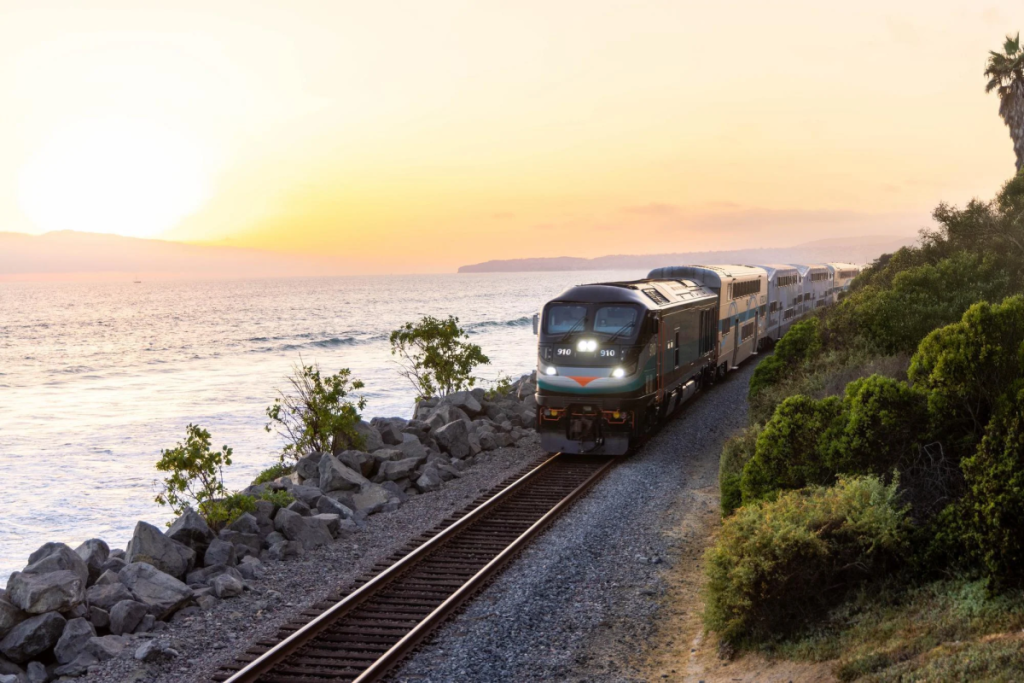
Metrolink says the increase comes after more than a decade of unchanged fares and is being driven by higher operating and maintenance costs, lower post-pandemic ridership and declining state and federal funding.
The agency says the changes are intended to help address those financial pressures while keeping its fare structure relatively simple and maintaining existing discounts. The change follows a major fare restructuring that began in July 2025, when Metrolink introduced a simpler system with fewer ticket types and lower prices on some passes.
What this means for riders
For someone who occasionally takes Metrolink, the difference may be small. But for frequent riders, commuters and weekend travelers, the changes can add up over time. The weekday Day Pass is probably the most noticeable example. A rider who currently relies on the $15 pass for unlimited travel will pay $19 starting October 5, while weekend users will see their pass increase from $10 to $12.
The new prices won’t take effect until October, so riders still have a few more weeks to use the current fares before the increase kicks in. With Metrolink connecting Los Angeles, Orange, Riverside, San Bernardino, Ventura and San Diego counties, the change will be felt across a large part of Southern California’s regional rail network.