
We know for a fact that California is home to some of the most mesmerizing landscapes on the planet, from sprawling deserts to alpine escapes. And one of the favorites, both for locals and tourists worldwide, is Yosemite National Park, a place that routinely pulls millions of visitors into its orbit.
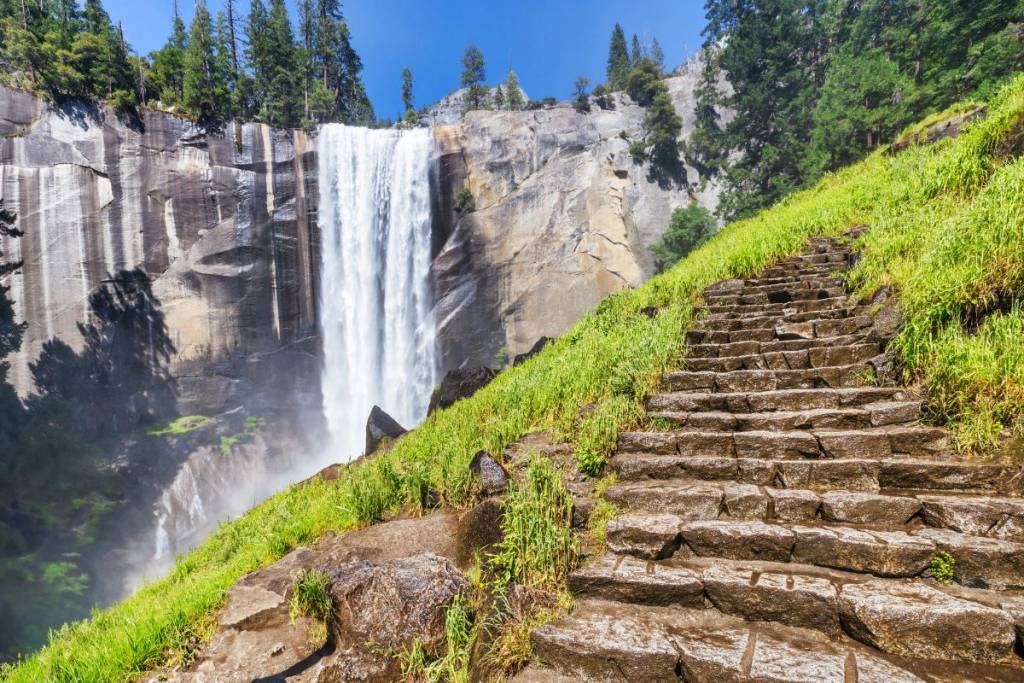
Within it, the Mist Trail is the most popular attraction, receiving more than 85,000 hikers each summer. Now the National Park Service is preparing a significant rethink of how people enter and experience this famous corridor.
Through the Mist Trail Corridor Project, Yosemite is exploring a redesign focused on improving safety and managing overwhelming visitor pressure, as the current infrastructure wasn’t built for this level of human tide. The original footbridge was removed back in 2001, and since then, visitors have been funneled through a vehicle bridge that was never meant to serve as the main pedestrian artery.
Yosemite’s Mist Trail corridor alternatives
The project lays out three options. One is the “do nothing” baseline, where current conditions remain unchanged, while the other two explore different ways to untangle the congestion.
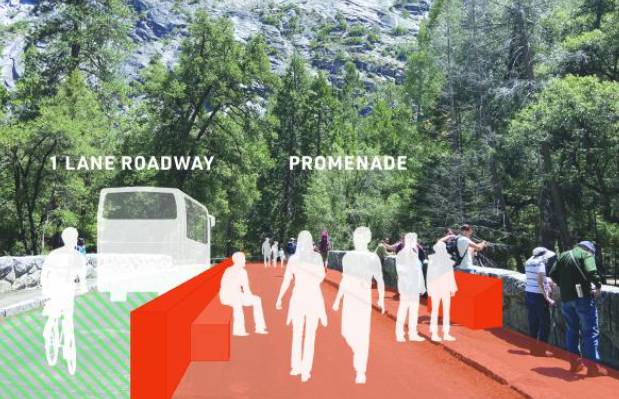
Alternative B leans into the existing setup. The current vehicle bridge becomes a more organized pedestrian route, with a clearly defined promenade separated from traffic, added seating, signage, and orientation spaces. The nearby trailhead would gain improved wayfinding, water stations, and interpretation areas. A pilot redesign of the Stock Trail Loop would also help distribute foot traffic more evenly.
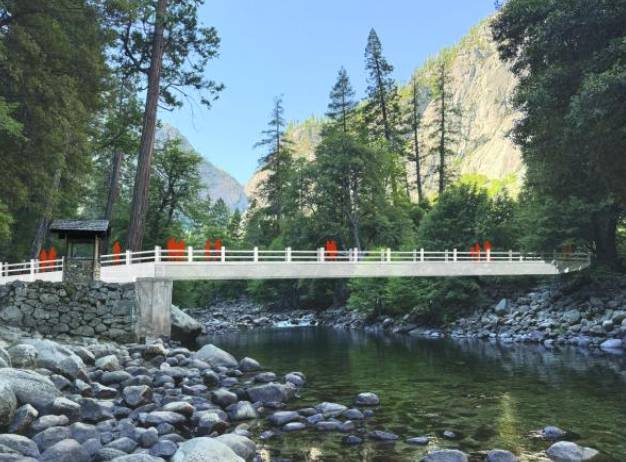
Alternative C goes bolder and proposes building a new pedestrian footbridge at the site of the historic crossing over the Merced River, effectively restoring the original alignment into the Mist Trail corridor. A new west-side trailhead would act as the main staging area, with a dedicated pedestrian promenade, improved trip-planning spaces, and partial restoration of the old floodplain access area.
How the public gets a say
The National Park Service has opened a 30-day public comment period running until July 13, 2026, when anyone can submit feedback online through the official park planning portal. There’s also a virtual public meeting on June 24, 2026, where staff will walk through the proposals and answer questions in real time.
The future of one of Yosemite’s most famous corridors is still in play, and the final shape will depend partly on what visitors, locals, and outdoor users contribute before the ink dries.