
In less than two years, Southern California’s notoriously busy roads will have a very different kind of traffic to contend with: Olympic athletes, coaches, officials and other credentialed vehicles racing between venues.
California Department of Transportation is developing a massive Games Route Network for the 2028 Los Angeles Olympics and Paralympics. The planned network spans about 369 miles of freeways and local streets, creating a special system of routes for official Games vehicles. And yes, some of those roads are ones Angelenos use every day.
With Los Angeles preparing to welcome thousands of athletes, officials and visitors in 2028, transportation planners are continuing to work out how the network will operate. Here’s a look at the roads currently included in the plan — and what Southern California drivers could experience when the Games arrive.
Your freeway is about to get an Olympic lane

The network will use existing roadways rather than building hundreds of miles of new pavement. Portions of major freeways and local streets will be designated for Games traffic, with special LA28 signs and markings identifying the restricted routes.
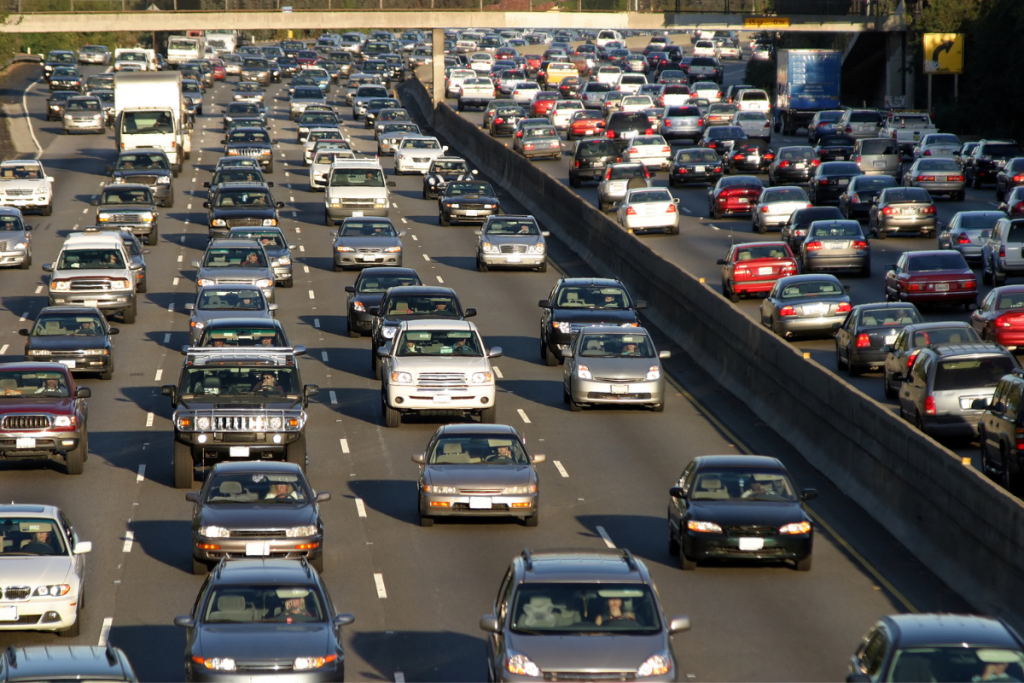
The planned network includes portions of major arteries such as the 5, 10, 101, 105, 110, 134, 210 and 405 freeways, along with routes in Orange County and beyond. One particularly notable stretch is Sunset Boulevard near UCLA, where the Olympic Village will house athletes. LA28 says dedicated lanes will connect the campus with the 405, while part of Sunset will remain available to regular traffic.
Why does L.A. need an Olympic road network?
Unlike many Olympic host cities, Los Angeles is enormous and its venues are scattered across the region. The Games Route Network is designed to give athletes and officials a predictable way to travel between the Olympic Village, competition venues and other official locations without getting trapped in ordinary Southern California traffic. The system will also be used alongside expanded public transportation and dedicated bus routes intended to keep spectators out of cars as much as possible.
What it means for drivers

The Olympic lanes will only operate for a limited period around the 2028 Games, but they could temporarily change how some of Southern California’s busiest roads function. Unauthorized vehicles entering restricted lanes could face fines of nearly $300, according to CBS Los Angeles.
The 2028 Olympics run from July 14 through July 30, followed by the Paralympics from August 15 through August 27. So when the world’s best athletes arrive in Los Angeles, the Olympic experience won’t be confined to stadiums. For several weeks, the freeway will be part of the Games, too.